
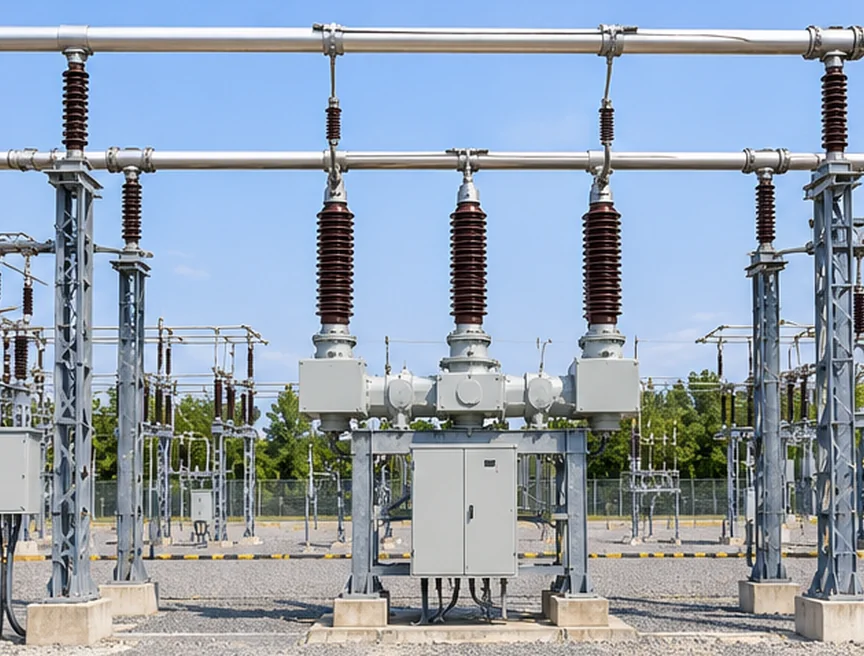
A substation bus is a common connection for several circuits. A station can split the bus into sections. A bus coupler is equipment, often a breaker, that lets the utility connect those sections or keep them separate.
Why would the utility want them connected?
One section may be able to help supply the other while a transformer or a line is out for maintenance. The remaining supply and the coupler have to be able to carry that load. The protection also has to work for the way the station is connected.
Why keep them separate at other times?
Separating sections can limit what goes out if a fault happens. It can also affect how much current would flow into that fault. Some stations normally run with the coupler open and others run with it closed, depending on the layout and operating needs.
For more on why substations use different bus and breaker layouts, see Substation Systems.