
Electric utility training
for your team
Live online, instructor-led electric utility training for utilities, contractors, vendors, and commissions. Choose an existing course or tailor the agenda to your team. In-person training is also available.
One course fee. Unlimited attendees.
Live online training, with in-person delivery also available.
A few of the organizations we have trained





Explore our courses

Utility fundamentals
For new employees, nontechnical teams, and professionals who want the whole utility picture.
- Basics of Electric Utilities 101
Get a whole-utility introduction to electricity, the grid, and the business of delivering power.
- Fundamentals of Microgrids
Evaluate how local energy resources and controls can keep critical loads running.
- Transmission & Distribution Fundamentals
Recognize the power-delivery equipment that carries electricity from the bulk grid to customers.
- Utility Profitability Overview
Understand how investment, cost recovery, and regulation shape utility financial performance.
- Electric Utility New Employee Orientation
Give new employees a shared vocabulary for electricity and their utility in 90 minutes or longer.
- Electric Utility Systems for Non-Engineers 101
Start the two-part sequence with electrical quantities, equipment, and the path from generator to customer.
- Electric Utility Systems for Non-Engineers 102
Build on 101 to explain how utilities balance the grid, make investments, and recover costs.
- Power Transformer Fundamentals
Understand transformer operation and use condition information to inform maintenance priorities.
- Electric Vehicle Fundamentals
Assess the charging and utility-service needs of electric vehicles and fleet depots.
- Wholesale Electricity Markets
Follow how dispatch and grid constraints affect wholesale transactions, prices, and settlement.
- Utility Purchasing & Procurement Fundamentals
Follow the buyer’s process from defining a need to comparing offers and managing supplier performance.
Technical courses
For teams developing knowledge of grid equipment, systems, and emerging technologies.
- Electric Transmission Systems Training
Explain what limits bulk power transfers and how planners evaluate transmission needs.
- Distribution Systems
Understand feeder design, operating constraints, and equipment used to serve customers and restore power.
- Radio Frequency & Electromagnetic Fields
Recognize electric, magnetic, and radio-frequency sources and understand how utilities assess exposure.
- Electric Power Generation
Compare generating technologies and explain how their operating limits affect dispatch.
- Natural Gas Power Plant Operations & Maintenance
Connect gas-fired plant configuration and operating choices to equipment performance and maintenance.
- Substation Systems & Equipment
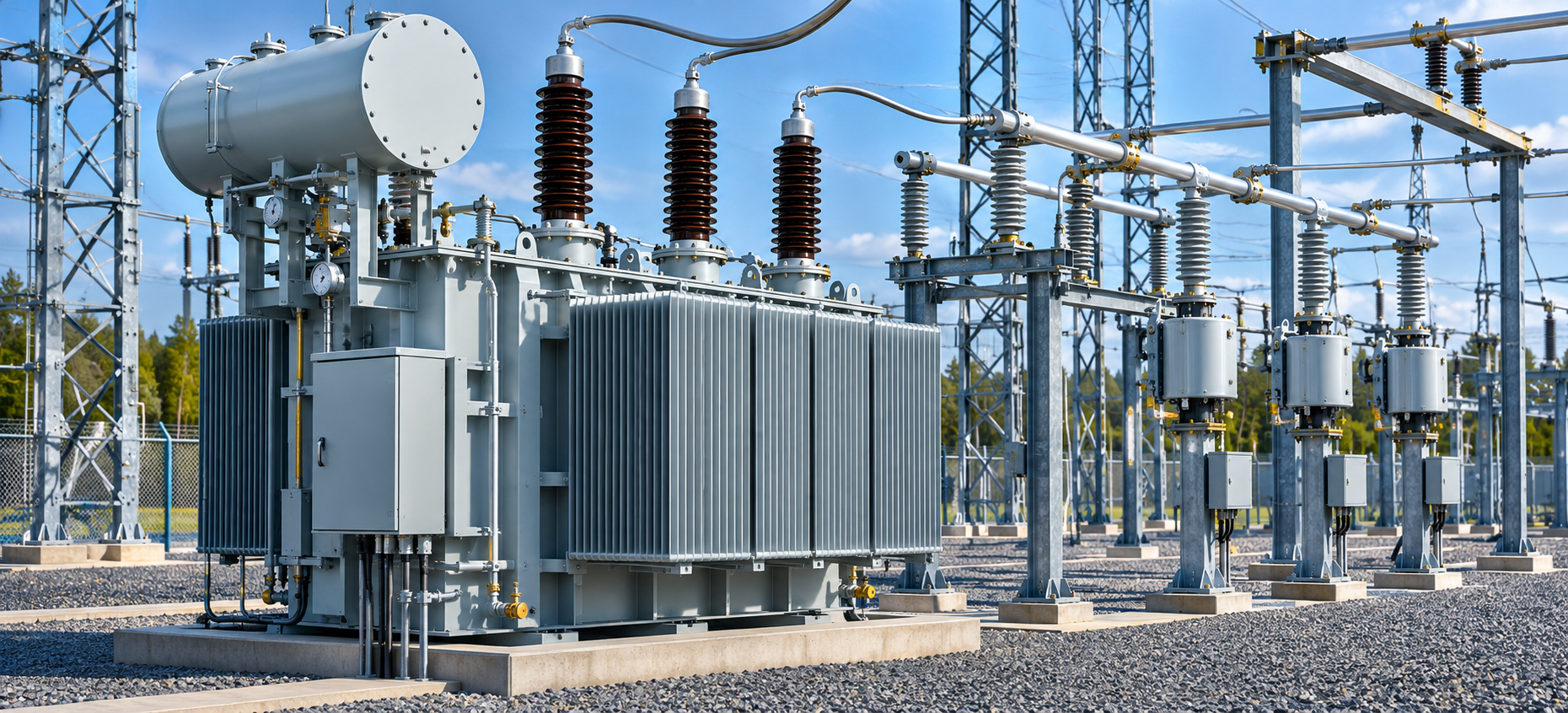
Explain how substation equipment transforms, switches, and protects power.
- Power System Protection
Interpret how relays and breakers detect faults and isolate the affected part of the grid.
- Utility Communications Systems
Compare the transport networks that carry field data and control signals.
- SCADA Systems & Utility Automation
Explain how utilities turn field measurements into displays, alarms, and authorized control actions.
- Battery Storage & Grid Integration
Evaluate which grid services a battery can deliver within its power, energy, and operating limits.
- Grid Reliability & System Operations
Interpret operating limits and coordinate decisions during routine and abnormal grid conditions.
- Data Center Load Growth: Grid Planning & Rate Impacts
Evaluate how data-center demand affects grid upgrades, service options, and customer rates.
- Utility Cybersecurity & Operational Technology Security
Evaluate defensive practices that protect utility monitoring and control systems while supporting reliable operations.
- Wildfire Mitigation
Prioritize mitigation for utility equipment, vegetation, and weather conditions that contribute to wildfire risk.
- Disaster Preparedness & Emergency Management
Coordinate organization-wide preparedness, incident response, and service restoration.

Business & finance
For engineers, managers, and professionals connecting utility operations with business decisions.
- Utility Business & Finance Training
Apply business analysis to budgets, investments, project execution, and operating decisions.
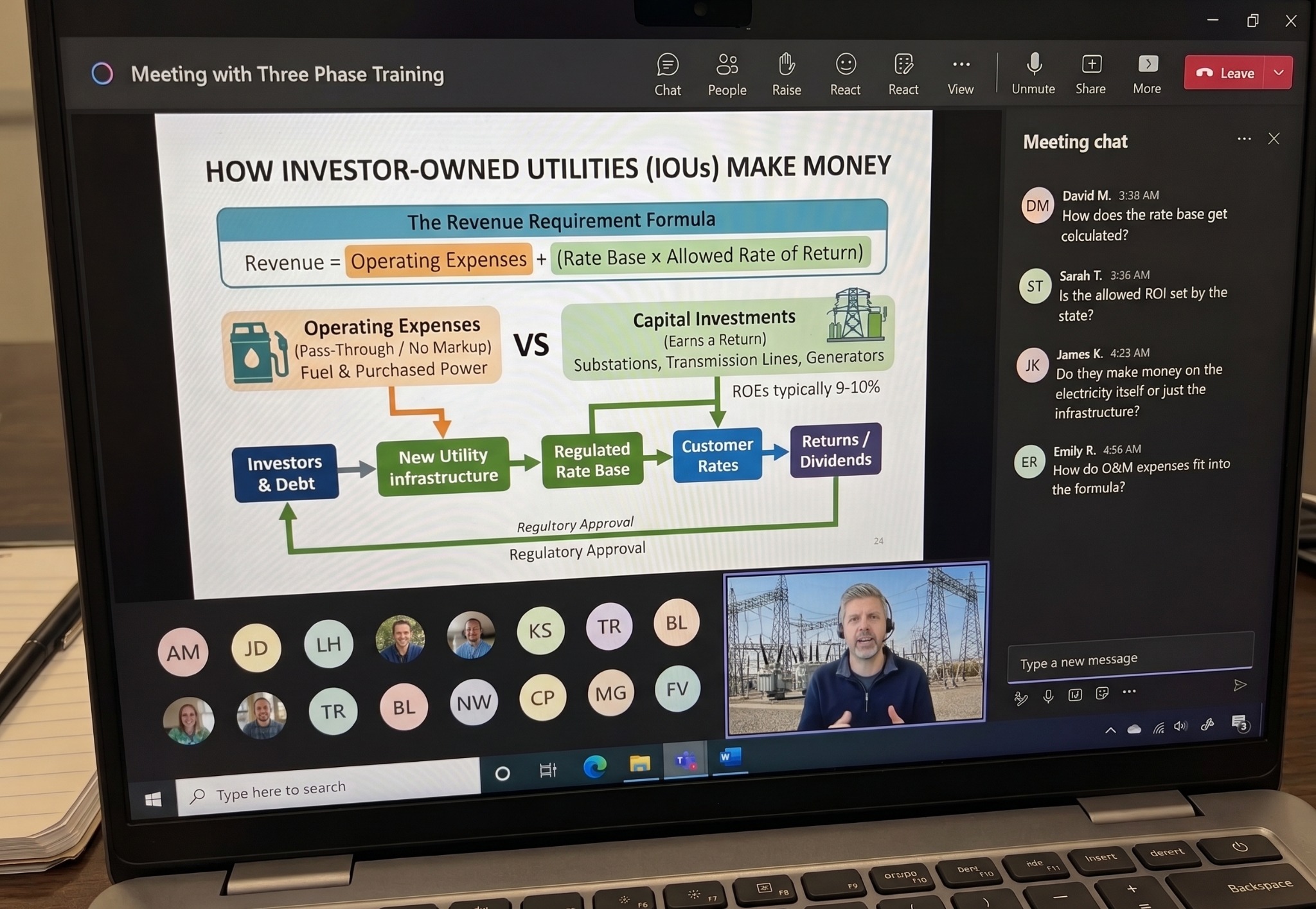
- Utility Rates & Regulation
Follow a rate case from filing through authorized cost recovery and application of the tariff.
- Utility Strategy: Markets, Regulation & Grid Investment
Set strategic direction by evaluating market, policy, and technology changes against grid investment needs.
- Electric Utility Rate Design
Translate a revenue requirement into tariff charges and compare bill impacts across customer profiles.
- FERC Accounting for Electric Utilities
Connect utility transactions and capital records to financial and regulatory reporting.
- Utility Capital Planning & Investment Analysis
Compare investment alternatives using lifecycle cost, benefit, and risk.
- Renewable Energy Credit Markets
Evaluate certificate transactions and what claims certificate retirement can support.
- Utility Procurement & Value-Based Selling
Help suppliers understand how utilities make purchasing decisions and support proposals with measurable value.
- NERC Reliability Compliance
Translate applicable reliability standards into assigned work, records, and evidence.
- NERC Critical Infrastructure Protection (CIP) Compliance
Use applicability to identify covered obligations and connect them to controls and evidence.
Basics of Electric Utilities 101
A practical introduction to generation, transmission, distribution, balancing, and utility business concepts. Designed to connect the technical and business sides of the industry.
What your team will learn
- Explain how generation, transmission, and distribution fit together.
- Identify major grid equipment and its role.
- Describe how utilities balance supply and demand.
- Recognize how utility ownership, rates, and regulation affect the business.
Plan your course
Eight hours of instructional content, offered virtually or in person. Split delivery into shorter sessions to fit your team's schedule.
Training that fits your team
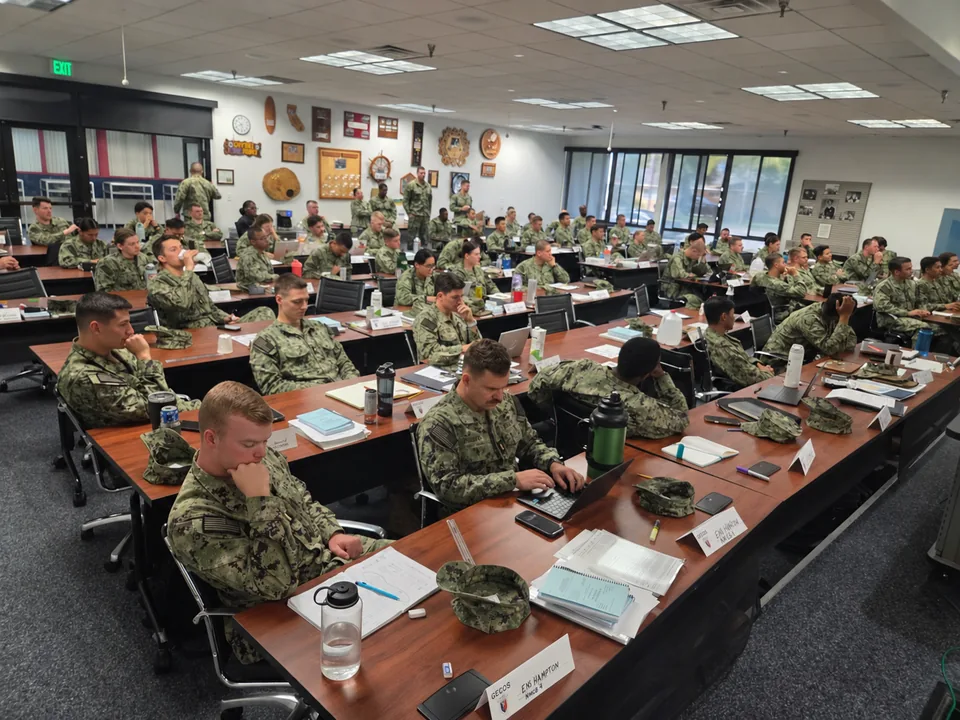
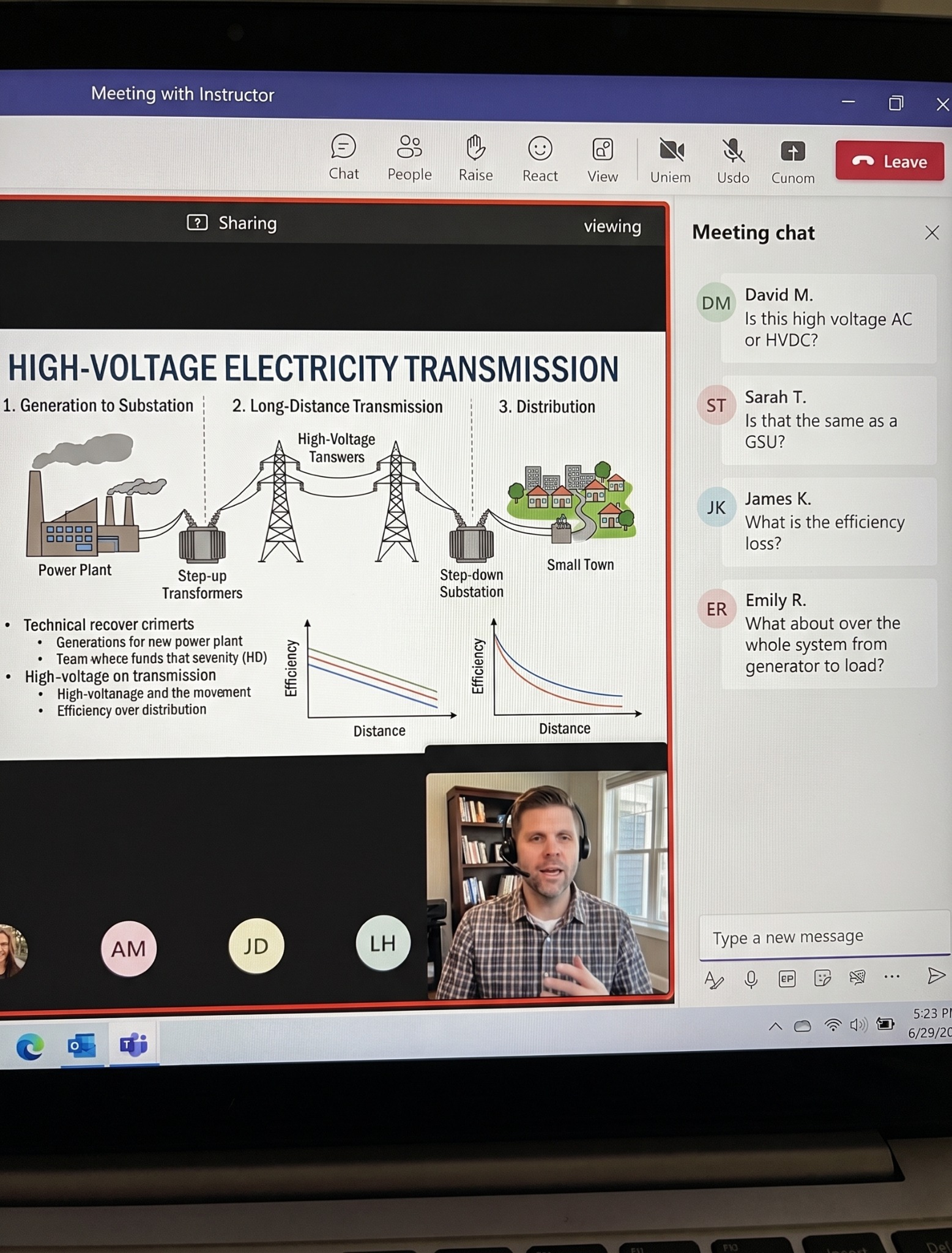
Choose an existing course or tailor training to your team’s roles, experience, and priorities. Live online sessions combine clear explanations, utility examples, and time to ask questions about your work.
Knowledge your team can use
Understand how utility equipment, operations, and business decisions connect to everyday work.
The right level for your team
Build a foundation for new hires and nontechnical employees, or explore specific subjects in greater depth.
Your questions, your examples
Bring your equipment, projects, and challenges into a live discussion with the instructor.
Online, around your schedule
Choose a full training day or shorter sessions through Teams or your preferred platform. In-person training is also available.
Participant Feedback
Three Phase Training has provided courses to thousands of professionals at hundreds of organizations.
“As a non-engineer new to the electric utility industry, the instructor was able to take seemingly complex topics and present them in a way that even this layman could understand. Highly recommend! The instructor did a great job! He was very engaging and extremely knowledgeable about a variety of subjects.”Thomas McElroy, Economic Development Representative, Cooperative Energy
“The presenter was awesome. Outside of keeping the class fun and entertaining, the presenter did an excellent job of being informative and there didn't seem to be anything that he couldn't answer.”Michael Beck, Omaha Public Power District
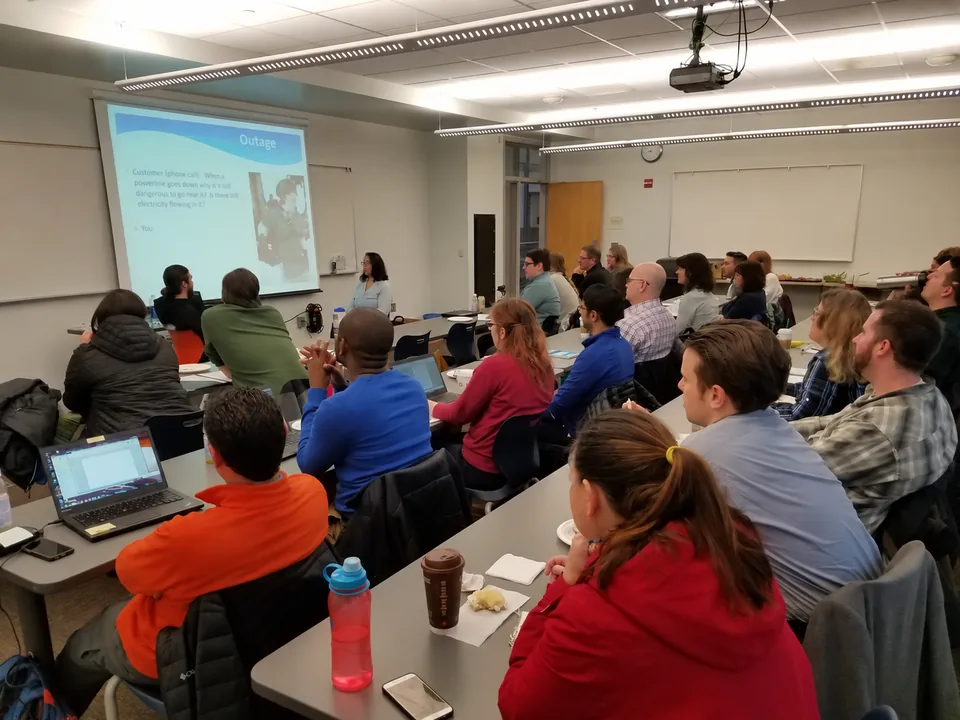
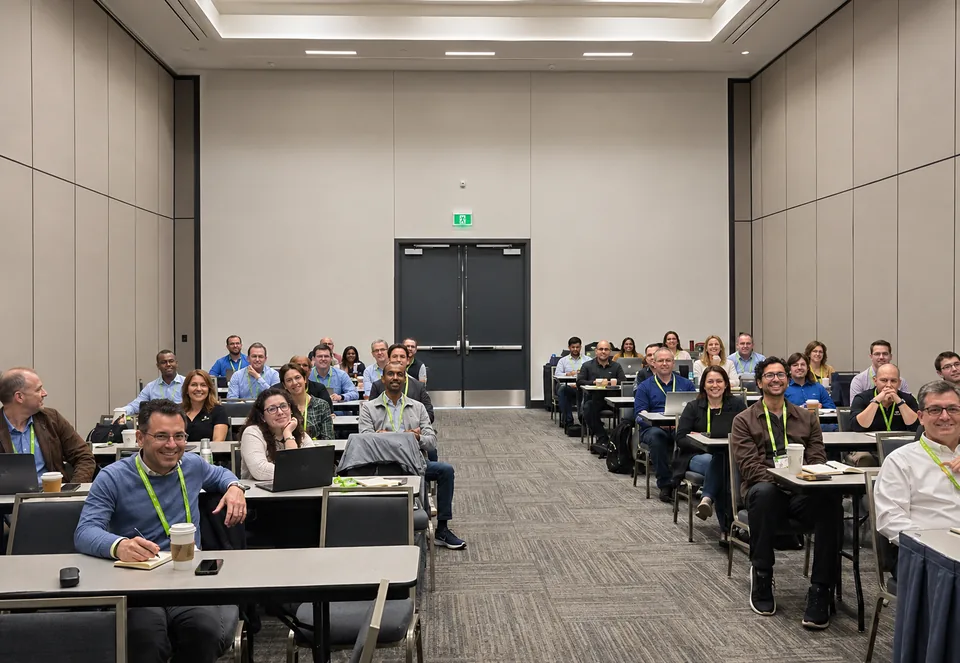
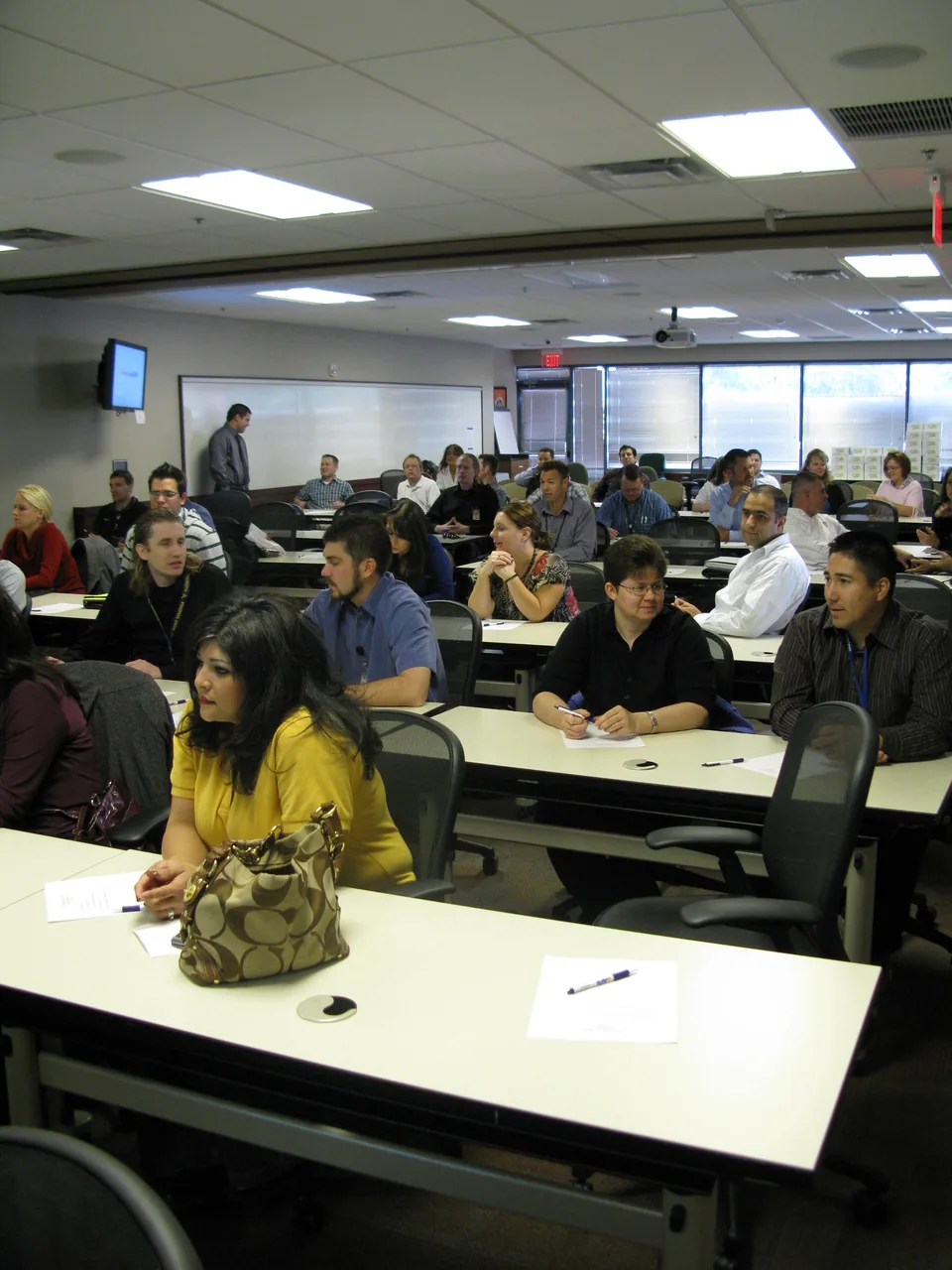
One course fee. Your whole team.
Your organization pays one course fee with unlimited attendees at no extra cost.
Live online training
$7,000
Typical fee for a one-day course delivered live online to your team.
In-person training
$9,000
Typical fee for a one-day course at your organization.
Request a proposal to confirm the fee, agenda, and delivery arrangements for your training.
Request quoteSetup your training
Choose from our existing courses or work with us to tailor training to your team’s needs.
1. Contact Us
Choose from our existing courses or tell us about your specific training needs. Share your organization and preferred timing, and we’ll help you explore the options.
2. Discuss Your Audience and Goals
Tell us who will attend, their experience with the subject, and what you want them to learn. We’ll use those goals to guide the course.
3. Shape Your Agenda
Select an existing course outline or work with us to tailor the topics, level of detail, and examples to your team. Content can incorporate regional regulations, organizational priorities, and company-specific projects or equipment.
4. Choose Your Format and Schedule
Choose virtual or in-person training, then confirm the proposal, dates, course materials, and logistics. Virtual eight-hour courses can be delivered in two four-hour sessions or shorter sessions arranged around your team’s availability.
What does your team need to learn?
Tell us your organization, course of interest, and goals. If you know them, include your preferred delivery format, approximate group size, and timing.
Prefer email? training@threephasetraining.com