
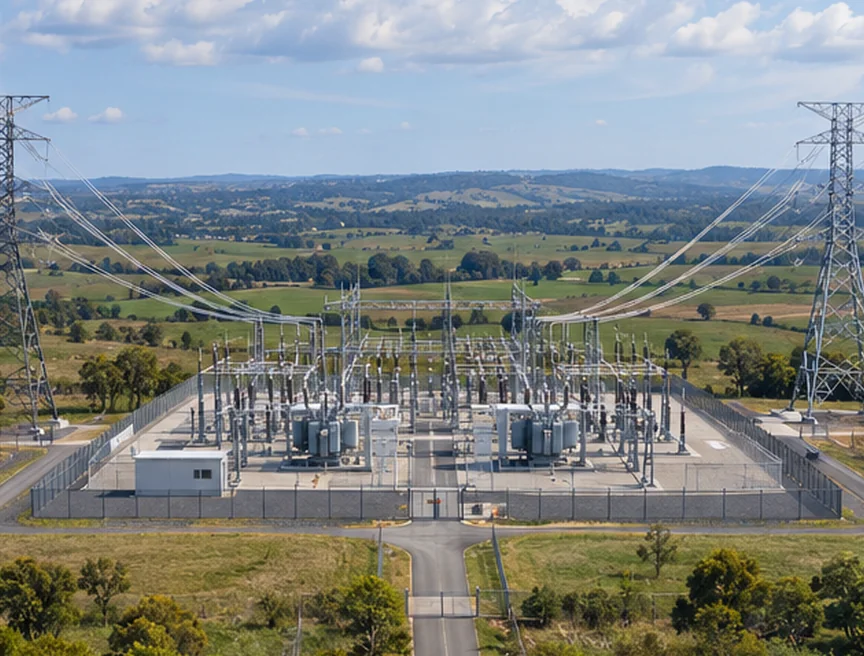
Planners can start with a grid model where all the expected equipment is available. That’s the starting set, or N. An N minus one study asks what happens if a single item in that set, such as a line or transformer, goes out of service.
What could change when just one line goes out?
Power can move along other routes. Some of those lines or transformers may have to carry more current, and voltages can change. Planners check whether the remaining equipment can handle the new conditions under the rules that apply to the system.
Does that mean customers never notice any single failure?
How a system is planned depends on the equipment, customers, and standards involved. The study is a way to check specified failures and find what needs reinforcement or an operating plan. It doesn’t cover every possible outage.
For more on how transmission systems are planned and operated for reliability, see Grid Reliability & System Operations.