
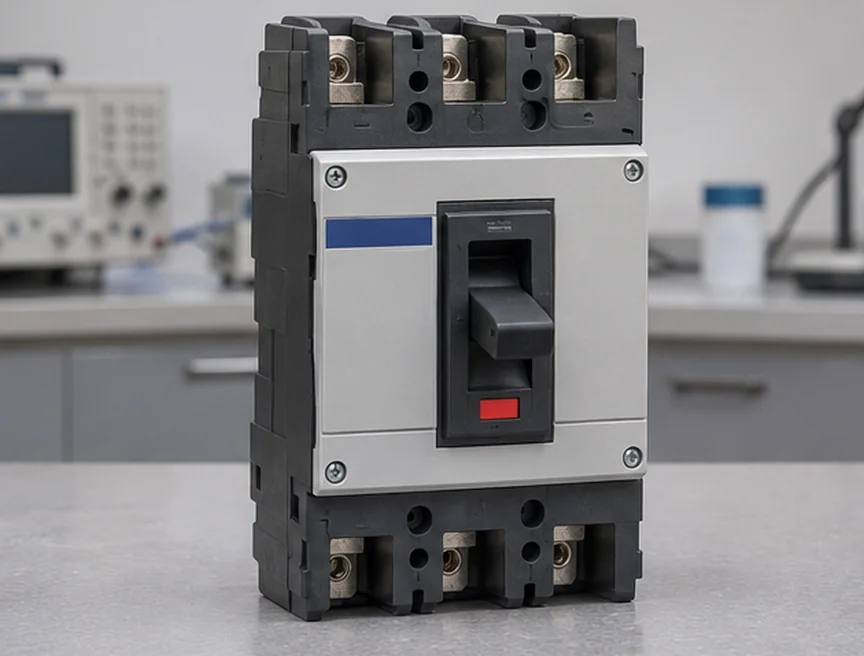
A breaker can have one rating for the current it normally carries and another for the greatest fault current it can safely interrupt under stated conditions. A short circuit can draw far more current than a healthy circuit. The breaker has to open its contacts and extinguish the arc that forms as they separate.
Why can the same breaker face different fault currents?
It depends on the supply and what lies between the source and the fault. A powerful nearby transformer can make more current available than a small one far down a long line. Where the breaker sits matters as much as what it serves.
Does a bigger interrupting rating let you run more appliances?
That rating is for stopping a fault. The breaker’s normal current rating and the circuit it protects still determine how much load the circuit can serve.
For more on what circuit breakers do during electrical faults, see Basics of Electric Utilities 101.