
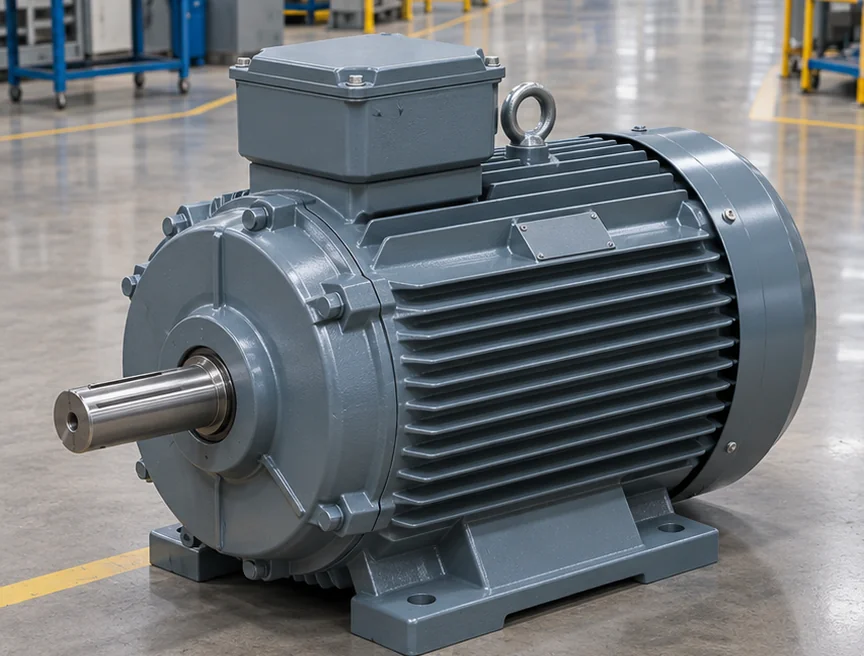
A three-phase motor is designed for three alternating currents that take turns reaching their peaks. If one phase is lost, that balance goes away. A running motor may keep turning on the remaining supply, but it can develop less turning force and draw more current in the phases still connected.
What if the motor is trying to start?
Without a full three-phase supply it may fail to start or only hum. Current can still flow and produce heat, so the motor and its load can be in trouble even though the shaft has barely moved.
How does the equipment catch it?
Motor protection can look for missing or unbalanced voltage or current. It can stop the motor before it overheats. A fuse, a connection, or a problem farther upstream can all produce phase loss, so the cause needs to be checked.
For more on three-phase power and the way motors use it, see Basics of Electric Utilities 101.