
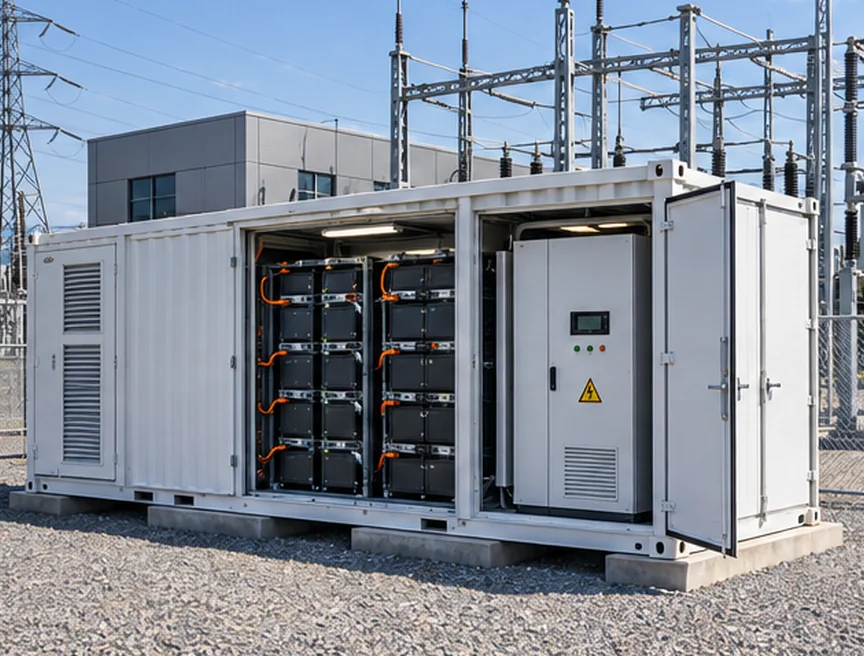
A common grid-following inverter looks at the AC voltage already on its connection and uses it as a reference. A grid-forming inverter can establish a voltage and frequency reference of its own. That lets other equipment follow it when the surrounding grid is weak or when an isolated system needs a reference.
Does that mean the inverter makes its own energy?
It still needs energy on its DC side, such as from a battery. The difference is how its controls shape the AC output. The equipment has limits on how much current it can deliver and how long the source can supply it.
Where does that matter?
An islanded microgrid needs something to set the electrical conditions. A grid-forming inverter can be one way to do it. On a larger grid, it can help support conditions alongside other sources.
For more on how new resources support voltage and frequency, see Grid Reliability & System Operations.