
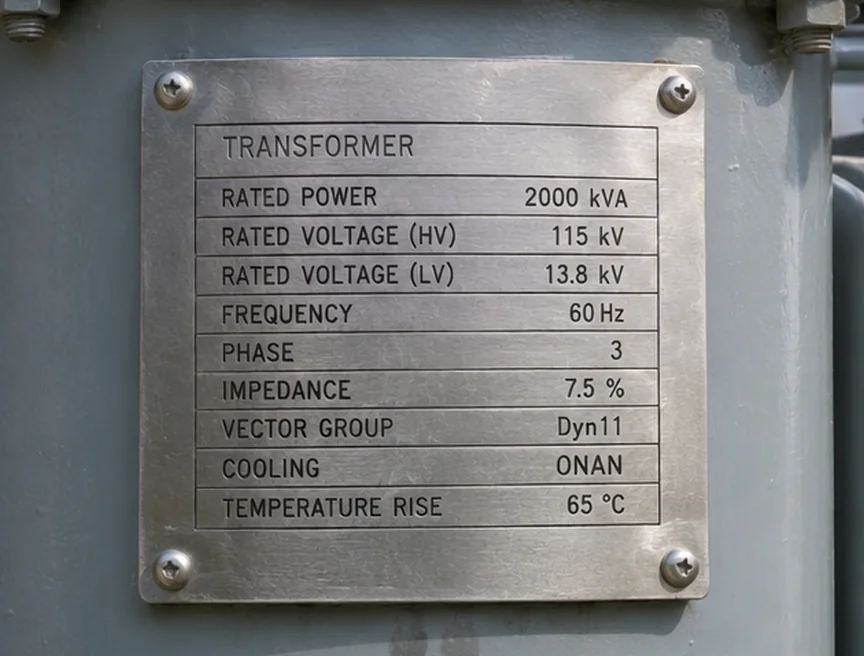
A transformer, breaker, and cable have to be built for the voltage they’ll see. If every line used a voltage chosen from scratch, it would be harder to find replacement equipment or connect one part of the system to another. Common levels let utilities and manufacturers plan around familiar ratings.
Does that mean the voltage never moves?
The number used to name a system is its nominal voltage. The actual voltage can move around it as demand changes and equipment switches. Utilities aim to keep it within a suitable range for the equipment and customers on that system.
Why are there several standards instead of just one?
The voltage that works across a long transmission line can be too high for a neighborhood or a home. Each part of the grid has different jobs and tradeoffs. Transformers connect those parts where their voltage levels change.
For more on how transformers connect the voltage levels on the grid, see Basics of Electric Utilities 101.