
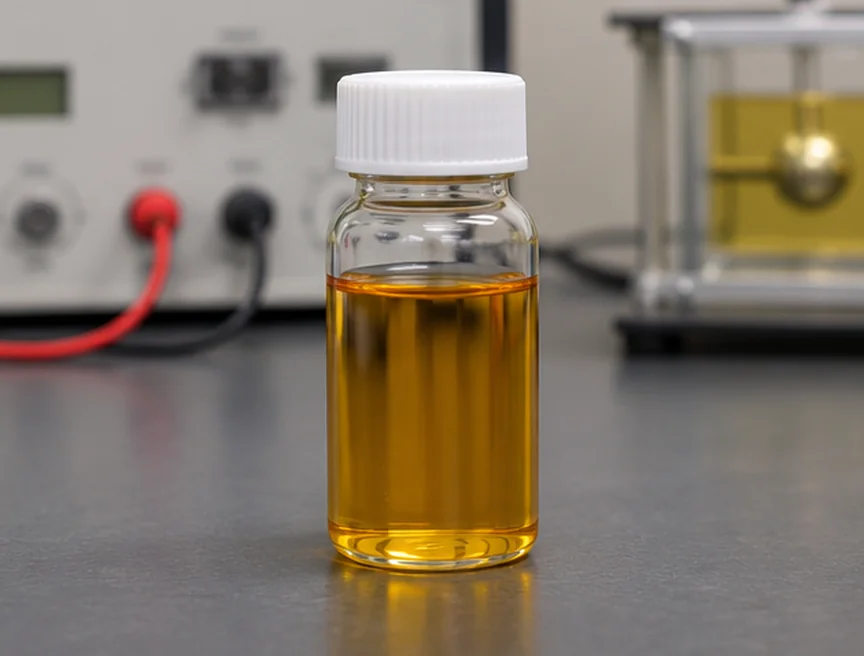
A liquid-filled transformer can look normal from outside while something inside is heating up or making small electrical discharges. Under some conditions that can break down oil or solid insulation and produce gases. Some of those gases dissolve in the transformer oil.
What does a test tell the utility?
A lab can measure which gases are present and how much of each it finds. The pattern can help distinguish several kinds of problems. Comparing readings over time can show whether gas is building up slowly or changing faster than expected.
Does one sample tell you exactly what failed?
A reading is one piece of evidence. The utility also considers the transformer’s design, age, loading, and other tests. The combination can help determine whether to keep watching the unit or investigate it sooner.
For more on how transformer condition is assessed, see Power Transformer Fundamentals.