
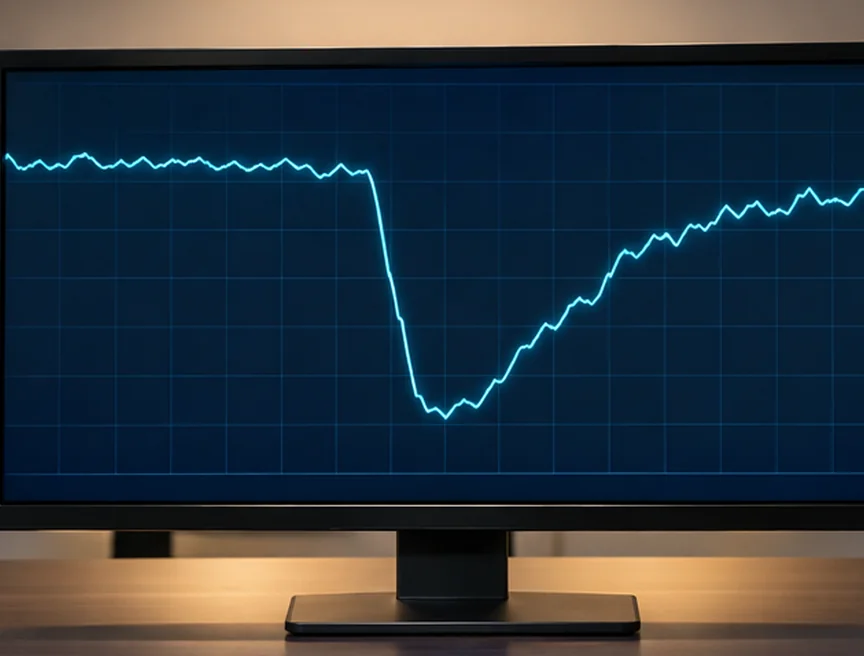
When a large plant disconnects, customers don’t instantly use less power. For a short time, the missing energy can come partly from the motion of other spinning machines on the connected grid. As they give up some of that energy, their rotation slows a little. The grid frequency drops with it.
Why doesn’t it keep dropping?
Other resources can respond quickly. Some generating units increase their mechanical input, and some batteries or other inverter-based resources can quickly increase their output. That helps arrest the fall.
How does it get back to normal?
Operators and automatic controls bring supply and demand back into balance and work frequency back toward its target. How deep the dip is and how fast it recovers depend on how much generation was lost and what responds.
For more on frequency response and what operators do after a loss, see Grid Reliability & System Operations.