
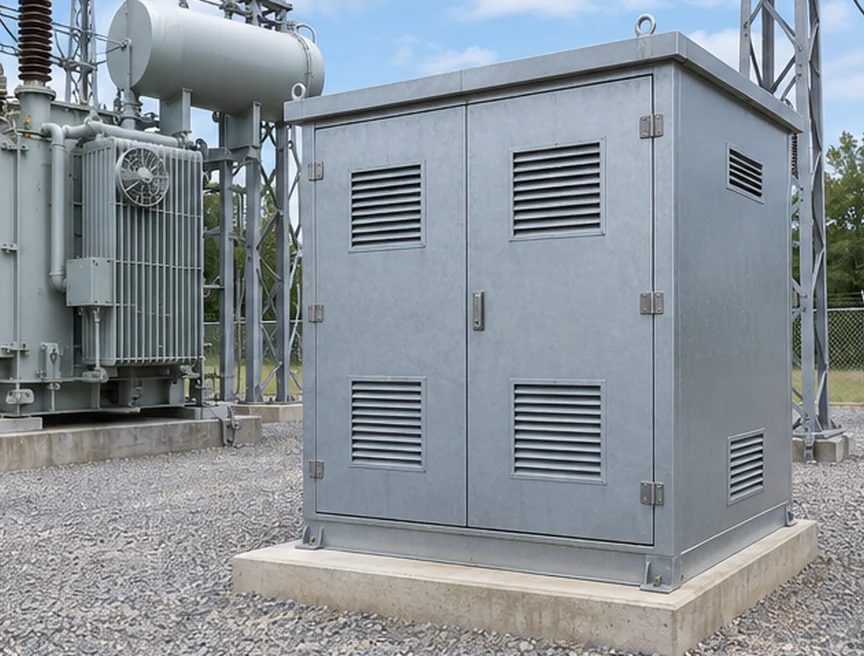
Some systems connect a transformer’s neutral to ground through a resistor. A connection made that way can limit how much current flows if one of the phases faults to ground. The resistor is chosen to suit the electrical system and the protection it uses.
Does the resistor carry all the power going to customers?
It’s in the ground connection. On a system designed for this arrangement, that connection isn’t the ordinary load return. During a ground fault, the resistor can carry current and get hot, so it has to be rated for the conditions it may see.
Why let any fault current flow at all?
Protection may need a measurable signal to recognize the fault. A grounding arrangement gives that current a planned path. Different systems use different arrangements depending on what they have to serve and protect.
For more on ground faults and how utilities detect them, see Power System Protection.